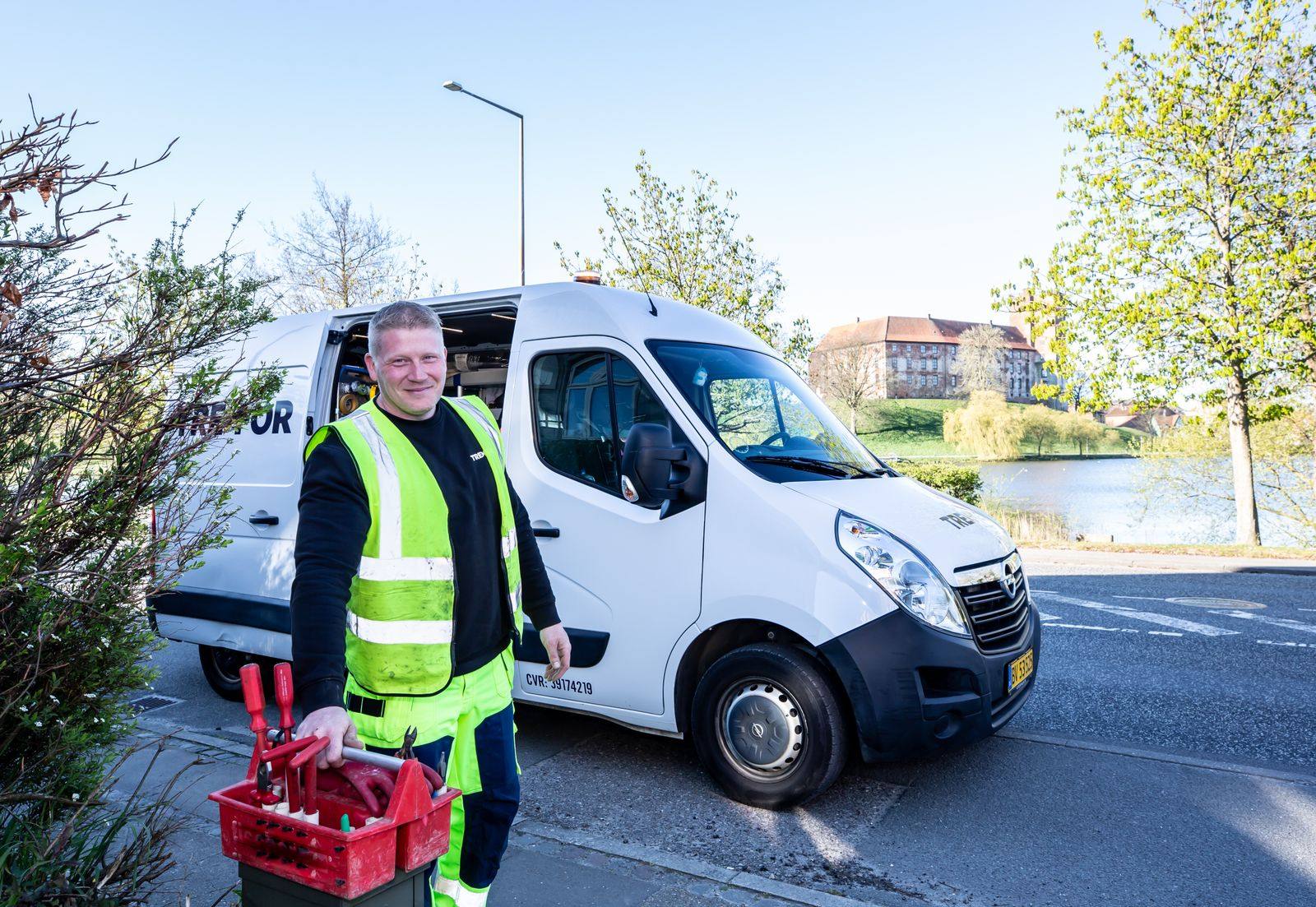
A tankless water heater keeps no reserve of hot water. It waits for a faucet to open, senses the flow, fires a burner or energizes its elements, and heats water as it races through a compact heat exchanger. That on-demand design is a big part of its appeal, but it packs a lot of sensors and controls into one small cabinet, and every one of them has to agree before you get hot water. When one of them objects, the unit shuts down and posts an error code. In Miami, FL, the usual culprits are mineral scale coating the heat exchanger, a flow sensor that no longer registers demand, an igniter or flame rod that cannot prove the flame, and venting or gas supply problems that trip the unit's safety limits.
Our approach to tankless repair is simple: measure first, replace second. When we arrive at your Miami home, we record the active code and the unit's fault history, then work through the systems behind it. Flow sensors are checked with water running to confirm they report demand correctly. Flame rods and igniters are tested electrically. Gas pressure is read at the inlet with the burner at maximum, because a line that holds steady at idle can sag badly under full load. The vent and air intake are inspected end to end, and the heat exchanger is judged by the temperature rise it achieves at a known flow. Only then do we recommend a fix, and we can show you exactly why.
The good news is that most tankless problems are very fixable. A descaling flush clears most mineral buildup, sensors and igniters are replaceable parts, and venting faults usually come down to a blocked intake or a loose joint. We carry common parts for the major brands and service both gas and electric units, so the typical repair is done in one trip. We are also honest about the harder cases: a unit fed by a gas line too small for its full BTU rating will keep throwing codes until the line is upsized, and a heat exchanger damaged by scale may not be worth repairing on an older heater. And if your complaint is the cold-water sandwich, that brief burst of cold between two hot draws, we will tell you whether it is normal for your model or something we can reduce. Is your tankless heater showing a code? Call (645) 249-0862 today.
Our most requested service is Water Heater Repair in Miami. Start there if you're not sure what you need.
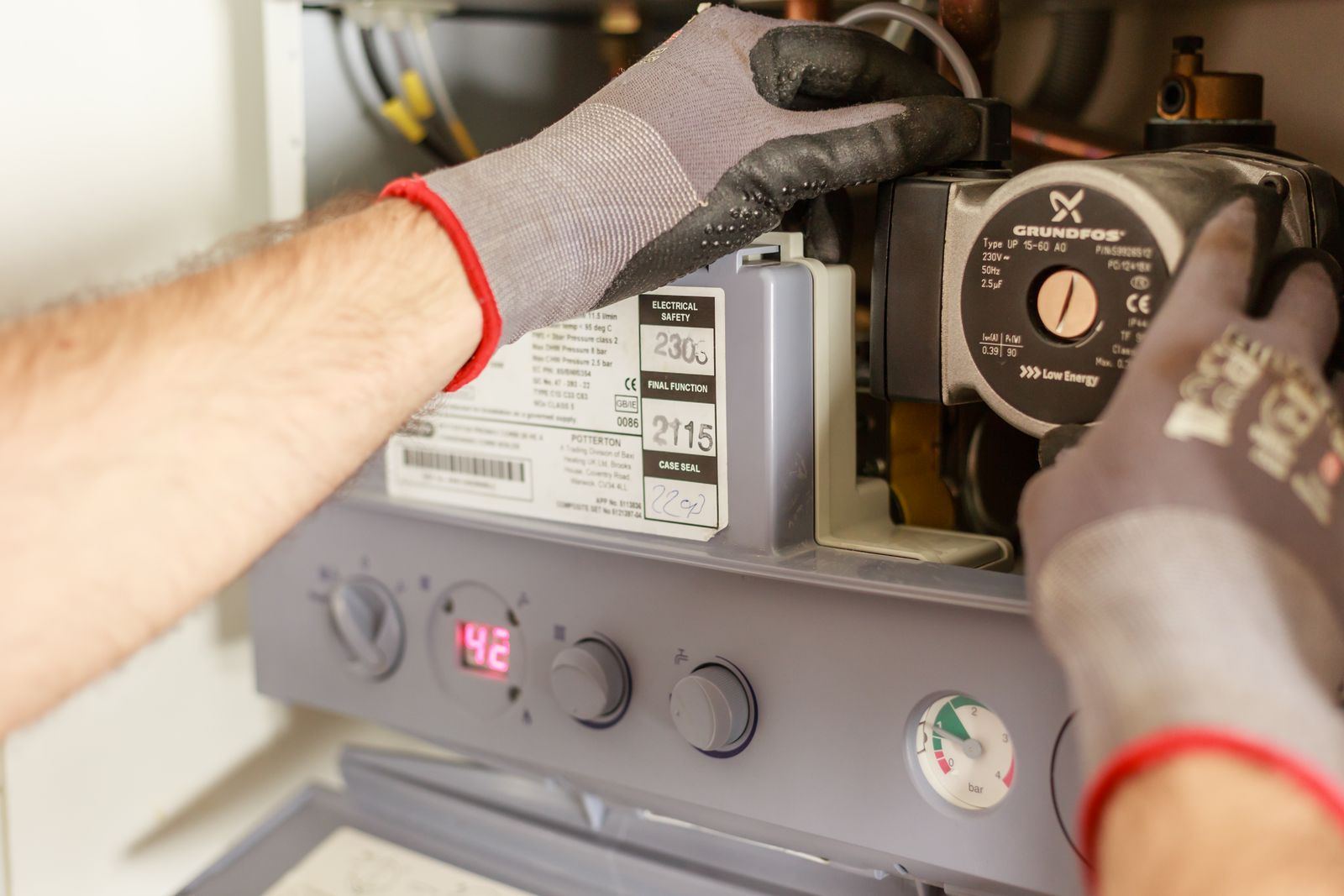
Signs You Need Tankless Water Heater Repair in Miami
Catching a symptom early is often the difference between a quick part swap and a tank that gives out on the garage floor. Watch for these telltale signs that professional help is needed:
- Moisture, rust, or drips appearing below the heater
- Longer bursts of cold water between hot draws than you used to get
- Unusual noises from the cabinet, like a whine, a roar, or a rattle
- A fault code on the front panel and no hot water
- Lukewarm water whenever two fixtures run at the same time
- A heater that only fires when water runs at full blast
- Repeated ignition attempts, then a shutdown
- Hot water that fluctuates even though nobody touched the faucet
Don't Wait for a Total Failure
A little rust-colored water or a relief valve that drips now and then can be the first hint of a tank that is close to the end. At the first hint of a problem, reach out to Miami Water Heater at (645) 249-0862 and we'll take a look.
Talk to Us About Tankless Water Heater Repair
We'll diagnose the problem and give you a straight answer on the fix.
Tap to Call (645) 249-0862Your Tankless Water Heater Repair Questions Answered
Why This Job Calls for a Pro
There are two reasons tankless repair belongs with a professional: the diagnosis is tricky and the hazards are real. On the diagnostic side, an ignition code might mean a worn igniter, a dirty flame rod, low gas pressure, or a blocked intake, and replacing parts until the code clears adds up fast. On the safety side, a gas unit burns fuel at a very high rate and vents exhaust that contains carbon monoxide, while an electric unit can pull more than 100 amps through multiple 240-volt breakers. Errors with either type can be serious.
What you get from a professional is certainty. Instead of swapping parts, our technicians confirm the fault with a meter, a manometer, and temperature readings, so the fix is aimed at the actual cause. Scale is removed with a pump through the service valves rather than vinegar poured in and left to chance. Gas pressure is checked with the burner at full output, vent runs are inspected against the manufacturer's length and clearance limits, and the unit is tested at low and high flow before we leave. Proper service also keeps you in line with the manufacturer's warranty terms, many of which expect qualified service and regular descaling.
How We Handle Tankless Water Heater Repair
We work through a clear, repeatable process so you always know what's happening and what it will cost. Here's exactly how a typical visit unfolds:
Read the Unit First
We pull the active error code and the stored fault history, then check every component that code involves: flow sensor, igniter, flame rod, gas pressure, and venting. That way the repair targets the actual cause, not just the code.
Plain Findings & Firm Quote
We show you the failed part, explain the cause, and give you a firm price before work begins. If scale has cracked the heat exchanger or the unit is near the end of its life, we say so plainly.
Same-Visit Fix
We carry the parts that fail most on tankless units, so flow sensors, igniters, flame rods, and thermistors are usually replaced on the spot, and a descaling flush takes about an hour.
Tested Under Load
We run hot water at several flow rates, confirm the unit fires cleanly and holds its setpoint, and check gas pressure at full fire before we leave.
Prevention Tips That Actually Help
A few preventive steps can help you avoid a cold shower or a wet floor down the road. Here's where to begin:
- Rinse the small filter screen on the cold inlet every few months
- Leave the power on in cold weather, since freeze protection only runs when the unit has electricity
- Have the unit descaled at least once a year, or more often if your water is hard
- Keep the vent termination and air intake clear of leaves, nests, snow, and lint
- Treat a code that returns after a reset as a symptom worth diagnosing, not ignoring
- Get the supply line checked before adding gas appliances, which can starve a tankless unit
- Protect the heat exchanger with a softener or scale inhibitor when your water is hard
Should You DIY or Call a Pro?
Relighting a pilot by following the label is one thing. Diagnosing a gas valve, a burned-out element, a dirty flame sensor, or a tankless error code calls for meters and know-how that a pro brings. Here's a comparison:
| Consideration | Doing It Yourself | Professional Service |
|---|---|---|
| Diagnosis | Trial and error based on the manual | Fault history and live readings pinpoint it |
| Descaling | Vinegar poured in without proper valves | Proper solution, pump, and flush time |
| Gas & Venting | No way to test pressure at full fire | Manometer test at full fire, vent inspected |
| Board & Wiring | Risk of shorting the control board | Wiring and connectors tested safely |
| Parts | Generic parts that may not fit the model | Model-matched parts, often on the truck |
| Result | Symptom patched, cause remains | Root cause fixed and verified |
Book a Visit Today
Cold showers and damp floors don't get better on their own. Miami Water Heater can have a technician headed your way soon.
Call (645) 249-0862 NowTankless Water Heater Repair Near Miami
We bring tankless water heater repair to homes and businesses in town and across the nearby communities. Pick your area to see local details.